
7 Essential IPTV vs Cable Insights for 2025: The Ultimate Review
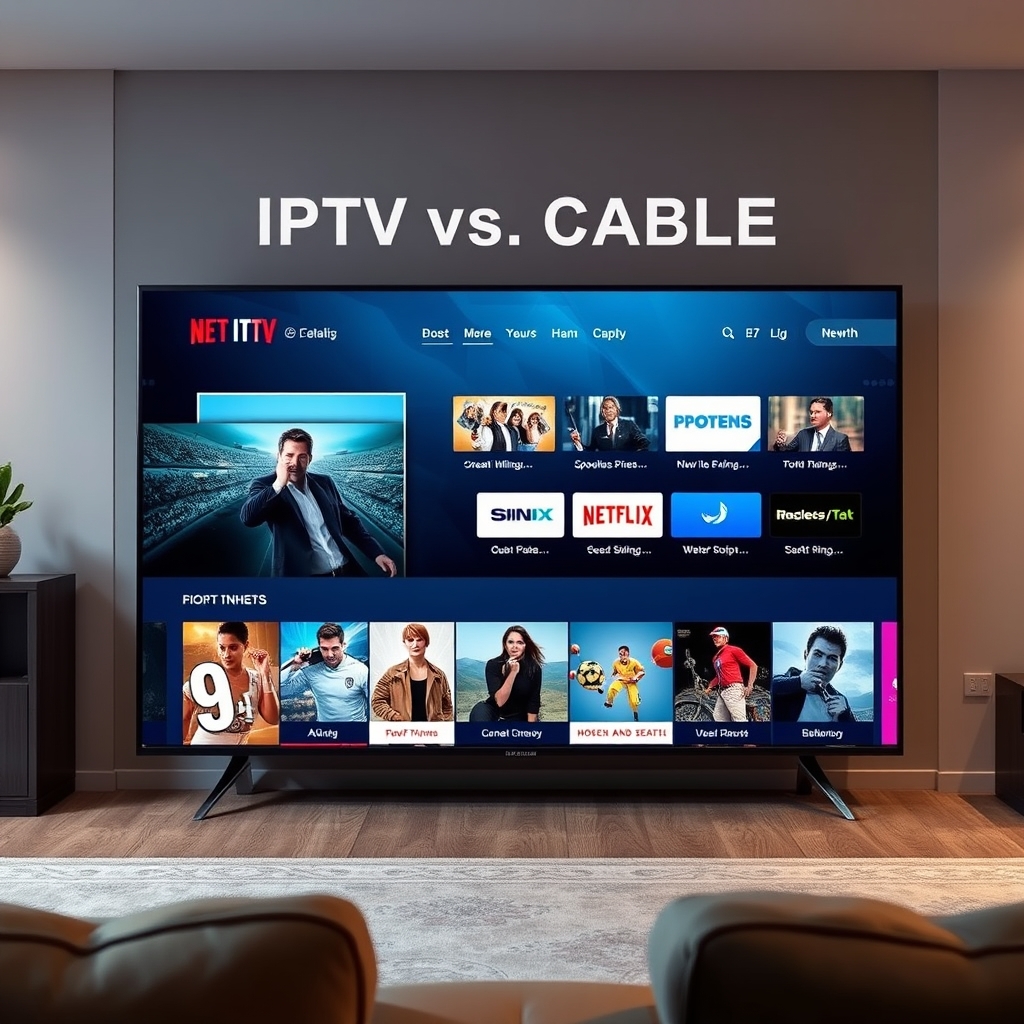
As we move into 2025, the debate of IPTV vs cable continues to dominate discussions among tech enthusiasts and everyday consumers alike. With the rapid evolution of technology and media consumption habits, understanding the differences between IPTV and cable is more critical than ever. IPTV, or Internet Protocol Television, offers a modern alternative to traditional cable services, providing users with a versatile, internet-based streaming experience. In this article, we’ll explore the key differences, benefits, and future trends in IPTV vs cable, helping you make an informed decision for your media needs.
What is IPTV vs Cable?
To fully appreciate the debate of IPTV vs cable, it’s essential to understand what each service entails. IPTV, or Internet Protocol Television, is a digital streaming service that delivers television content through the internet. Unlike traditional cable, which relies on satellite signals or cable networks, IPTV uses IP networks to deliver media content to users. This allows for more flexibility in terms of device compatibility and viewing options, as users can access IPTV services on smartphones, tablets, smart TVs, and computers.
Cable TV, on the other hand, is a more traditional broadcasting method that has been around for decades. It involves delivering television programs via coaxial cables directly to the user’s television set. While cable TV offers a wide variety of channels, it lacks the flexibility and advanced features of IPTV. Historically, cable TV was the primary method of receiving television broadcasts, but with the advent of the internet and streaming services, IPTV has gained considerable traction.
IPTV’s origins can be traced back to the early 1990s, but it wasn’t until the widespread availability of high-speed internet that it became a viable competitor to cable TV. Today, IPTV services offer a range of features such as on-demand content, live TV, and time-shifted media, making it an attractive option for modern viewers. As we delve deeper into the IPTV vs cable discussion, it becomes clear that each service has its unique advantages and drawbacks.
Key Features & Benefits
When considering IPTV vs cable, it’s crucial to examine the unique features and benefits that each service offers. IPTV stands out for its flexibility and customization options, allowing users to tailor their viewing experience to their preferences. With IPTV, users have access to a vast library of on-demand content, including movies, TV shows, and live broadcasts. This level of choice is unparalleled in traditional cable services, where programming is often restricted to predetermined schedules.
Another significant advantage of IPTV is its compatibility with a range of devices. Whether you’re using a smartphone, tablet, smart TV, or computer, IPTV services can be accessed on virtually any internet-enabled device. This means you can enjoy your favorite shows and movies wherever you are, without being tethered to a single television set. Furthermore, IPTV offers features like pause, rewind, and fast-forward, enhancing the overall viewing experience.
Cable TV, while limited in some aspects, does offer certain benefits that appeal to specific audiences. For example, cable TV often provides more stable connections and better picture quality, particularly in areas with unreliable internet access. Additionally, cable TV packages frequently include bundled services such as internet and phone, which can be cost-effective for households looking to consolidate their bills.
Comparison with Competitors
In the battle of IPTV vs cable, it’s essential to consider how each service stacks up against its competitors. Here’s a detailed comparison:
- Content Variety: IPTV offers a wide array of on-demand content and live TV options, while cable typically provides a fixed selection of channels. IPTV’s flexibility in content delivery is a significant advantage for users seeking a more personalized viewing experience.
- Device Compatibility: IPTV is compatible with numerous devices, including smartphones, tablets, and smart TVs. In contrast, cable TV is limited to televisions equipped with a cable box or receiver.
- Internet Dependence: IPTV requires a stable internet connection to function optimally, which can be a drawback in areas with poor connectivity. Cable TV, however, operates independently of internet availability, providing a more reliable service for those in remote regions.
- Cost: While IPTV services often offer competitive pricing and flexible subscription models, cable TV packages can be more expensive, particularly when bundled with additional services.
To see a more detailed breakdown of these differences, you can refer to this comparison of IPTV vs traditional TV.
Step-by-Step Setup Guide
Setting up IPTV can seem daunting at first, especially if you’re accustomed to cable TV. However, with the right guidance, you can enjoy IPTV’s flexibility and convenience in no time. Here’s a detailed setup guide for the most popular devices:
For Firestick:
- Go to the home screen and navigate to the search icon.
- Type “Downloader” and install the app.
- Open Downloader and enter the URL of the IPTV service provider’s APK file.
- Download and install the APK file.
- After installation, open the IPTV app and log in with your credentials.
For Android:
- Visit the Google Play Store and search for an IPTV app (e.g., IPTV Smarters).
- Download and install the app.
- Open the app and enter the M3U playlist URL or Xtream Codes provided by your IPTV service.
- Log in and start streaming your favorite content.
For iOS:
- Open the App Store and search for an IPTV app (e.g., GSE Smart IPTV).
- Download and install the app.
- Launch the app and input your IPTV provider’s credentials or M3U playlist URL.
- Enjoy streaming on your iOS device.
For Smart TV:
- Access the TV’s app store (e.g., Samsung Smart Hub, LG Content Store).
- Search for an IPTV app compatible with your TV model.
- Download and install the app.
- Enter the required login details or playlist URL provided by your IPTV provider.
- Begin watching your favorite shows and channels.
For more detailed instructions, you can also refer to this comprehensive IPTV setup guide.
Best Devices for IPTV vs Cable
Choosing the right device is crucial for optimizing your IPTV experience. Here are some top recommendations:
Nvidia Shield TV:
The Nvidia Shield TV is one of the most powerful streaming devices available, offering 4K HDR streaming and an extensive range of apps. Its robust hardware and excellent performance make it ideal for IPTV services, ensuring smooth playback and minimal buffering.
Amazon Fire TV Cube:
The Fire TV Cube combines the capabilities of a streaming media player with Alexa voice control, offering a hands-free entertainment experience. Its compatibility with various IPTV apps and 4K streaming capability make it a popular choice among IPTV users.
Apple TV 4K:
Apple TV 4K provides a seamless streaming experience with its user-friendly interface and integration with the Apple ecosystem. Its support for HDR and Dolby Vision enhances picture quality, making it an excellent option for IPTV enthusiasts.
Roku Streaming Stick+:
The Roku Streaming Stick+ is an affordable choice for those seeking reliable IPTV performance. It supports 4K streaming and offers a wide range of apps, making it a versatile device for accessing IPTV services.
Legal Landscape & Safety
One of the primary concerns for IPTV users is the legality of the service. IPTV itself is not illegal; however, the legality depends on the content being streamed. It’s crucial to ensure that you’re using a legitimate IPTV service with the appropriate licenses to avoid legal issues. Unauthorized streams can result in penalties, so it’s important to do thorough research before subscribing to any IPTV service.
To protect your privacy and ensure safe streaming, using a VPN (Virtual Private Network) is highly recommended. A VPN encrypts your internet connection, preventing third parties from tracking your online activities. This is particularly important for IPTV users, as it safeguards personal information and bypasses geo-restrictions on content.
For additional insights into the legal aspects of IPTV, you can refer to authoritative sources like TechRadar and Wikipedia.
Common Problems & Troubleshooting
While IPTV offers numerous benefits, users may encounter common issues such as buffering, EPG (Electronic Program Guide) problems, and login errors. Here’s how to troubleshoot these problems:
Buffering Issues:
- Ensure your internet connection is stable and meets the minimum speed requirements for streaming.
- Reduce the number of devices connected to your network to free up bandwidth.
- Clear the cache of your IPTV app regularly to improve performance.
EPG Problems:
- Check if the IPTV service provider offers a reliable EPG source.
- Update the EPG data manually within the IPTV app settings.
- Ensure that the app’s timezone settings match your local time.
Login Errors:
- Verify that your login credentials are correct and up-to-date.
- Restart the IPTV app and try logging in again.
- Contact your IPTV service provider for assistance if the issue persists.
Pricing & Cost Analysis
When it comes to IPTV vs cable, pricing is a significant factor for many consumers. IPTV services often provide more competitive pricing, with flexible subscription models that cater to individual preferences. While cable TV packages can be costly, particularly when bundled with other services, IPTV offers a more affordable alternative with no hidden fees. However, it’s essential to consider the cost of additional equipment, such as streaming devices and VPN subscriptions, when evaluating the overall expense.
To further explore the costs associated with IPTV, check out this in-depth cost analysis.
Future Predictions for 2025/2026
As we look towards the future, the IPTV vs cable debate is expected to intensify. With advancements in technology and increasing demand for on-demand content, IPTV is poised to become the dominant choice for media consumption. The rise of 5G networks will further enhance IPTV’s capabilities, offering faster and more reliable streaming experiences. Additionally, we can anticipate the integration of AI and machine learning to personalize content recommendations, revolutionizing the way users interact with IPTV services.
Industry experts from CNET and Digital Trends predict continued growth in the IPTV market, driven by consumer demand for flexibility and convenience.
User Reviews & Community Feedback
Real user experiences and community feedback provide valuable insights into the IPTV vs cable debate. Many users appreciate IPTV’s diverse content selection and flexibility, highlighting its convenience and ease of use. However, some users express concerns over connectivity issues and legal risks associated with certain IPTV services. Overall, the majority of users find IPTV to be a cost-effective and versatile alternative to traditional cable, praising its ability to cater to individual viewing preferences.
For more detailed user reviews, you can explore forums and communities dedicated to IPTV, where users share their experiences and recommendations.
Conclusion & Final Verdict
In conclusion, the choice between IPTV vs cable ultimately depends on your individual needs and preferences. IPTV offers a modern, flexible, and cost-effective alternative to traditional cable, with a vast array of content and device compatibility. However, it’s essential to consider factors such as internet connectivity and legal implications when making your decision. As we move into 2025, IPTV is expected to continue gaining popularity, offering innovative features and improved streaming experiences for users worldwide. We encourage you to explore both options and determine which service best suits your lifestyle and entertainment needs.
Interested in IPTV Lifetime?
Get premium IPTV lifetime access with 25,000+ channels and 26,000+ movies. Contact us to learn more about our lifetime IPTV subscription plans.
View IPTV Lifetime Plans